

Cannabis-infused oil (canna oil) is one of the most versatile cannabis products you can make at home. Use it for cooking, baking, or even topical applications. Once you master the basics, you'll have a foundation for countless edible creations.
This guide walks you through making canna oil step by step, with tips to maximize potency and avoid common mistakes.
What Is Canna Oil?
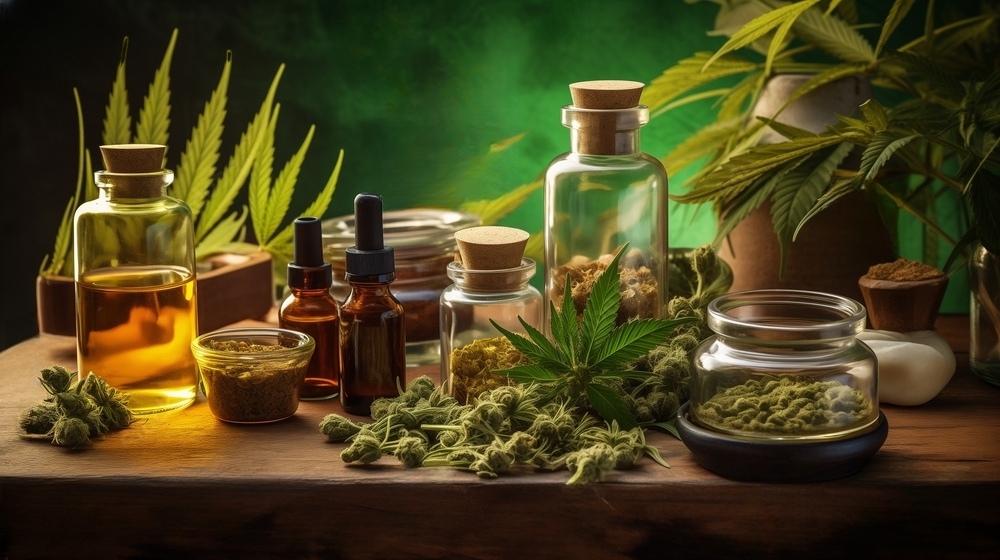
Canna oil is cooking oil infused with cannabinoids extracted from cannabis. The oil acts as a carrier, pulling THC, CBD, and other compounds from the plant material. You can use coconut oil, olive oil, or other fats as your base.
Why Make Your Own?
- Control over potency and strain
- Cost-effective compared to dispensary products
- Versatile—use in any recipe calling for oil
- Customizable to your preferences
What You'll Need
Ingredients
- 1 cup cooking oil (coconut oil recommended)
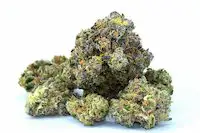
- 1 cup ground cannabis (7-10 grams)
Equipment
- Baking sheet and parchment paper
- Oven
- Saucepan or slow cooker
- Cheesecloth or fine strainer
- Storage container
- Thermometer (optional but helpful)
Step-by-Step Instructions
Step 1: Decarboxylate Your Cannabis
This crucial step activates the THC. Without decarboxylation, your oil won't be psychoactive.
- Preheat oven to 245°F (118°C)
- Break cannabis into small pieces
- Spread on parchment-lined baking sheet
- Bake for 30-40 minutes, stirring halfway
- Cannabis should be light brown and dry
Step 2: Infuse the Oil
Choose your preferred method:
Stovetop Method (2-3 hours)
- Combine oil and decarbed cannabis in a saucepan
- Add a small amount of water to prevent burning
- Simmer on low heat (160-200°F) for 2-3 hours
- Stir occasionally; never let it boil
Slow Cooker Method (4-6 hours)
- Add oil and cannabis to slow cooker
- Set to low and cook for 4-6 hours
- Stir occasionally
Step 3: Strain the Oil
- Place cheesecloth over a container
- Pour the mixture through the cheesecloth
- Let it drain naturally—don't squeeze (this adds plant matter)
- Discard the plant material
Step 4: Store Your Oil
- Transfer to an airtight container
- Store in a cool, dark place
- Refrigerate for longer shelf life (up to 2 months)
- Label with date and estimated potency
Dosing Your Canna Oil
Calculating potency can be tricky. A general formula:
- 7 grams of cannabis at 15% THC = ~1,050 mg THC
- 1 cup oil with 1,050 mg THC = ~65 mg per tablespoon
- Start with 1/2 teaspoon (~10 mg) and wait 2 hours
Tips for Success
- Don't skip decarb: Raw cannabis won't get you high
- Low and slow: High heat destroys cannabinoids
- Use a thermometer: Keep temperature under 200°F
- Be patient: Longer infusion = better extraction
- Start low: You can always eat more, not less
Frequently Asked Questions
Which oil is best?
Coconut oil is ideal—it's high in saturated fat, which binds well with cannabinoids. Olive oil works too but has a stronger flavor.
Can I use stems and trim?
Yes! Trim, stems, and even vaped cannabis (AVB) can be used. You may need more material for the same potency.
Why does my oil taste bad?
Avoid high heat, don't over-infuse, and don't squeeze the cheesecloth. These can add bitter plant compounds.
How long does canna oil last?
Stored properly, 2 months at room temperature or up to 6 months refrigerated.
Conclusion
Making canna oil at home is easier than you think. With quality cannabis and a little patience, you'll have a versatile ingredient for all your edible creations. Visit R.Greenleaf for premium flower and expert guidance!